

Minion Monsters
Felyne

Cat-like humanoids called Lynians that are noted for their white fur. Felynes are quiet until angered, in which case they may attack. Capable of speech, they are sometimes found in the employ of human masters.
Mylenx
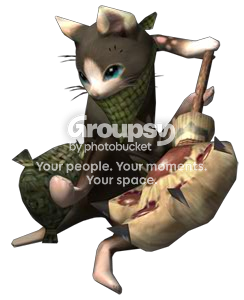
Cat-like humanoids called Lynians with black fur. Their sticky-fingers never miss a chance to steal things and take them back to their den, forcing victims to seek out their lost items. Distracted by the sight of Felvine.
Aptonoth
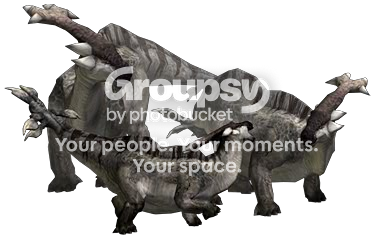
Hunted as a food source, these creatures are preyed upon by both hunter and monster alike. Usually timid, in packs they will defend themselves with surprising strength.
Popo
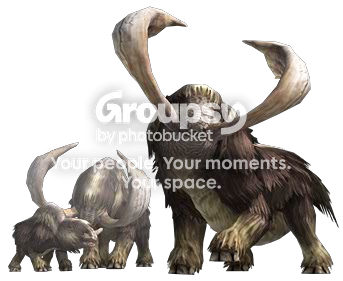
A herbivorous monster known for its giant, bent fangs. Living in herds, it is particularly bold when defending its offspring. Popo meat is quite nutritious, and its tongue is widely admired as a delicacy.
Kelbi

Herbivorous, deer-like monsters. Valued for their horns, they tend to run away at the first hint of danger. They are also hunted for their meat, which is chewy but flavorful.
Fish

This category includes carnivorous fish (Sharq, Catfish), migratory fish (Tuna, Arowanas), and natatorial fish (Molids, Perciformes). Fish often flee when attacked, so hunters prefer to use harpoons to obtain materials from them.
Other information
Epioth
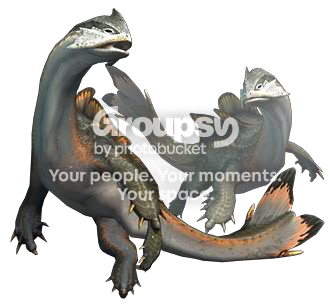
Submissive, water dwelling herbivores that subsist on water grasses and moss. Epioth frequently surface to sunbathe. Extremely timid, they panic when danger is near, swimming about in a haphazard fashion.
Other information
Cat-like humanoids called Lynians with black fur. Their sticky-fingers never miss a chance to steal things and take them back to their den, forcing victims to seek out their lost items. Distracted by the sight of Felvine.
Aptonoth
Hunted as a food source, these creatures are preyed upon by both hunter and monster alike. Usually timid, in packs they will defend themselves with surprising strength.
Popo
A herbivorous monster known for its giant, bent fangs. Living in herds, it is particularly bold when defending its offspring. Popo meat is quite nutritious, and its tongue is widely admired as a delicacy.
Kelbi
Herbivorous, deer-like monsters. Valued for their horns, they tend to run away at the first hint of danger. They are also hunted for their meat, which is chewy but flavorful.
Fish
This category includes carnivorous fish (Sharq, Catfish), migratory fish (Tuna, Arowanas), and natatorial fish (Molids, Perciformes). Fish often flee when attacked, so hunters prefer to use harpoons to obtain materials from them.
Other information
Epioth
Submissive, water dwelling herbivores that subsist on water grasses and moss. Epioth frequently surface to sunbathe. Extremely timid, they panic when danger is near, swimming about in a haphazard fashion.
Other information
Altaroth
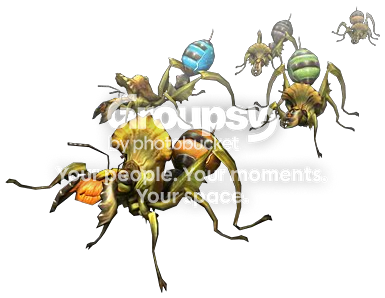
Insects that widely inhabit many areas. Noted for absorbing fruit, mushrooms and honey, then carrying them back to their nest. Materials can thus be collected from their swollen abdomens, whose colour is related to what is being carried.
Bnahabra

Flying insects that inhabit most environments. They attack invaders with a paralyzing poison and lay eggs in carrion together with a bodily fluid that hastens decomposition. Attracted to light, they will gather around any fire.
Delex

Carnivorous monsters that inhabit deserts. Delex always travel in schools of five or six. When near large monsters on a hunt, they attempt to surround the prey and scavenge food. Known to flee if other Delex are injured.
Jaggi

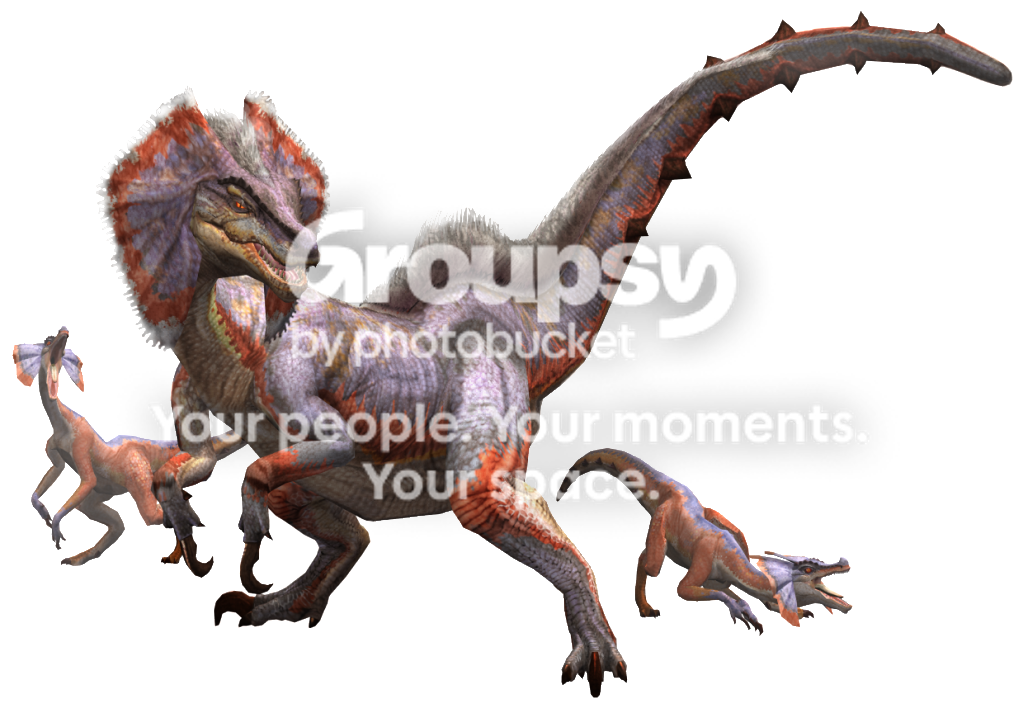
Highly social, carnivorous bird wyverns found in large packs. Young Jaggi males hunt in groups, attacking much larger animals. Current research suggests they operate under orders from an alpha male. Aggressive but wary of fire.
Jaggia
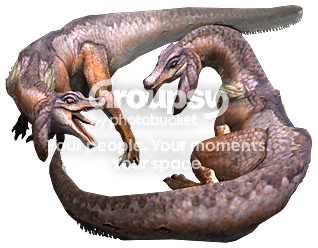
Female Jaggi that stay in groups, Jaggia generally cluster around the nest to defend it and raise whelps. Smaller than mature males, but larger than and tougher than the countless young males. Jaggia also operate under an alphas orders.
Baggi

Highly intelligent, carnivorous Bird Wyverns that hunt in packs. Noted for their blue scales and sharp glare. Baggi are feared for their ability to release a tranquillising fluid; it can knock out even humans for several seconds.
Ludroth

Aquatic female monsters. Ludroth form "harems" around large males, hence gathering in territories designated as breeding grounds. They are known to be extremely aggressive towards outsiders; caution is advised.
Other information
Uroktor

Leviathans that inhabit volcanoes. Noted for swarming around larger monsters' kills in order to feed. Uroktor rarely hunt for themselves, but stab upward at prey from the ground when they do. Known for being highly aggressive.
Rhenoplos
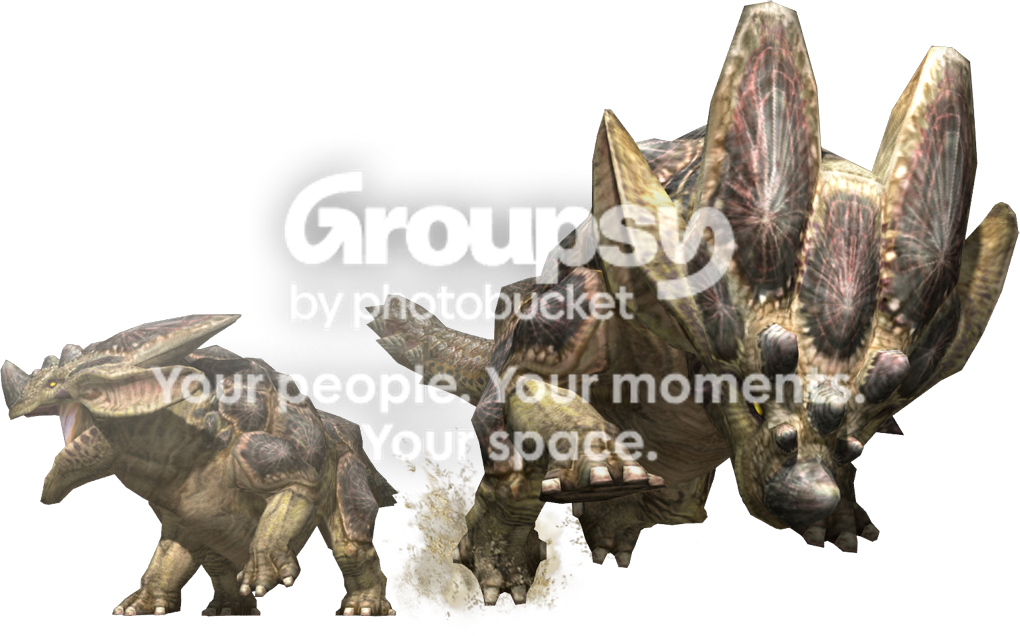
Extremely territorial herbivores with poor vision but acute hearing. Rhenoplos will doggedly pursue any nearby targets they sense. They often collide into boulders, perhaps because they can't easily stop themselves once they begin running.
Giggi

Wyvern larvae. Reasonably fecund, they can survive in any dark environment. Giggi are sensitive to light and heat, and so avoid torches. They are also known to leech from other animals, converting it into toxins.
Insects that widely inhabit many areas. Noted for absorbing fruit, mushrooms and honey, then carrying them back to their nest. Materials can thus be collected from their swollen abdomens, whose colour is related to what is being carried.
Bnahabra
Flying insects that inhabit most environments. They attack invaders with a paralyzing poison and lay eggs in carrion together with a bodily fluid that hastens decomposition. Attracted to light, they will gather around any fire.
Delex
Carnivorous monsters that inhabit deserts. Delex always travel in schools of five or six. When near large monsters on a hunt, they attempt to surround the prey and scavenge food. Known to flee if other Delex are injured.
Jaggi
Highly social, carnivorous bird wyverns found in large packs. Young Jaggi males hunt in groups, attacking much larger animals. Current research suggests they operate under orders from an alpha male. Aggressive but wary of fire.
Jaggia
Female Jaggi that stay in groups, Jaggia generally cluster around the nest to defend it and raise whelps. Smaller than mature males, but larger than and tougher than the countless young males. Jaggia also operate under an alphas orders.
Baggi
Highly intelligent, carnivorous Bird Wyverns that hunt in packs. Noted for their blue scales and sharp glare. Baggi are feared for their ability to release a tranquillising fluid; it can knock out even humans for several seconds.
Ludroth
Aquatic female monsters. Ludroth form "harems" around large males, hence gathering in territories designated as breeding grounds. They are known to be extremely aggressive towards outsiders; caution is advised.
Other information
Uroktor
Leviathans that inhabit volcanoes. Noted for swarming around larger monsters' kills in order to feed. Uroktor rarely hunt for themselves, but stab upward at prey from the ground when they do. Known for being highly aggressive.
Rhenoplos
Extremely territorial herbivores with poor vision but acute hearing. Rhenoplos will doggedly pursue any nearby targets they sense. They often collide into boulders, perhaps because they can't easily stop themselves once they begin running.
Giggi
Wyvern larvae. Reasonably fecund, they can survive in any dark environment. Giggi are sensitive to light and heat, and so avoid torches. They are also known to leech from other animals, converting it into toxins.