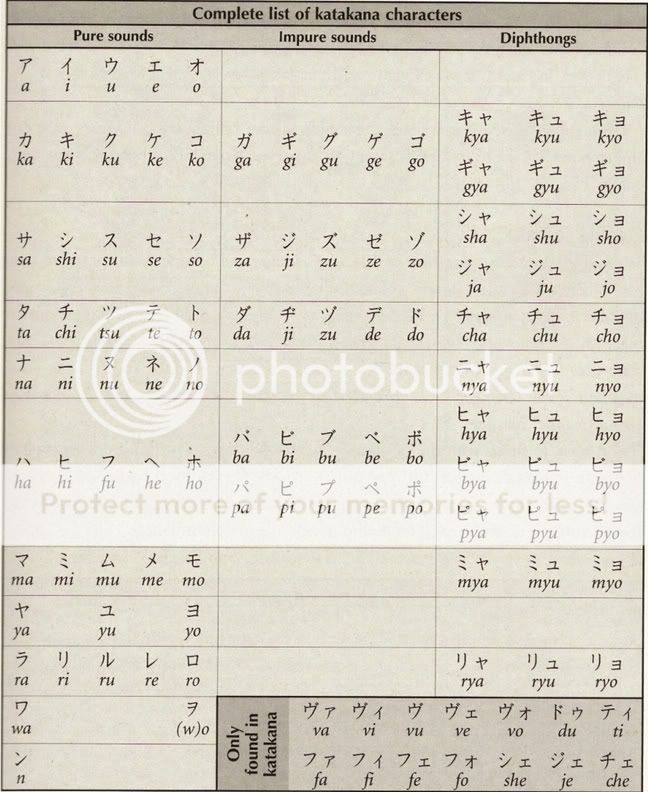
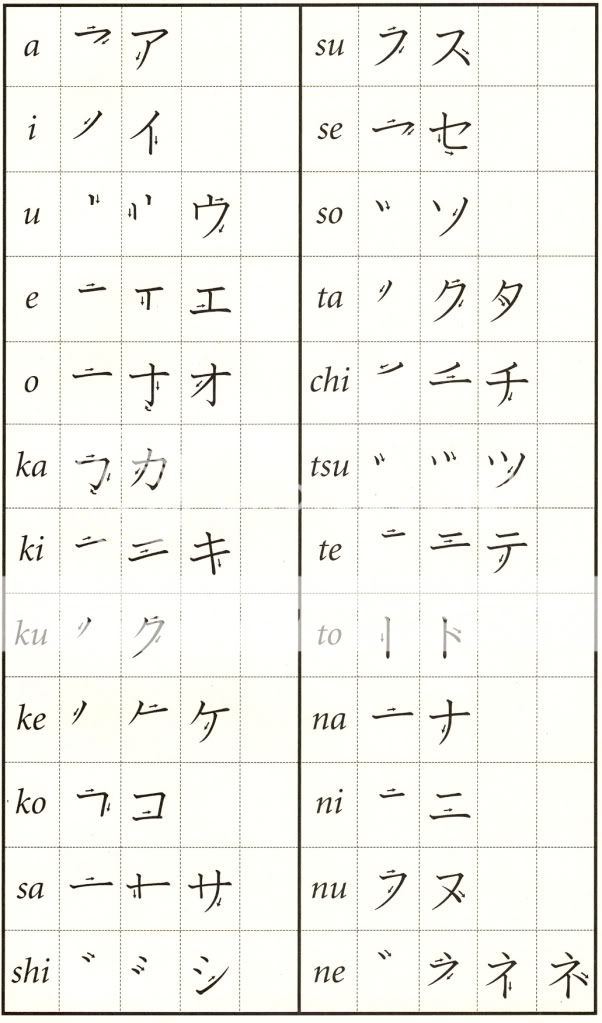
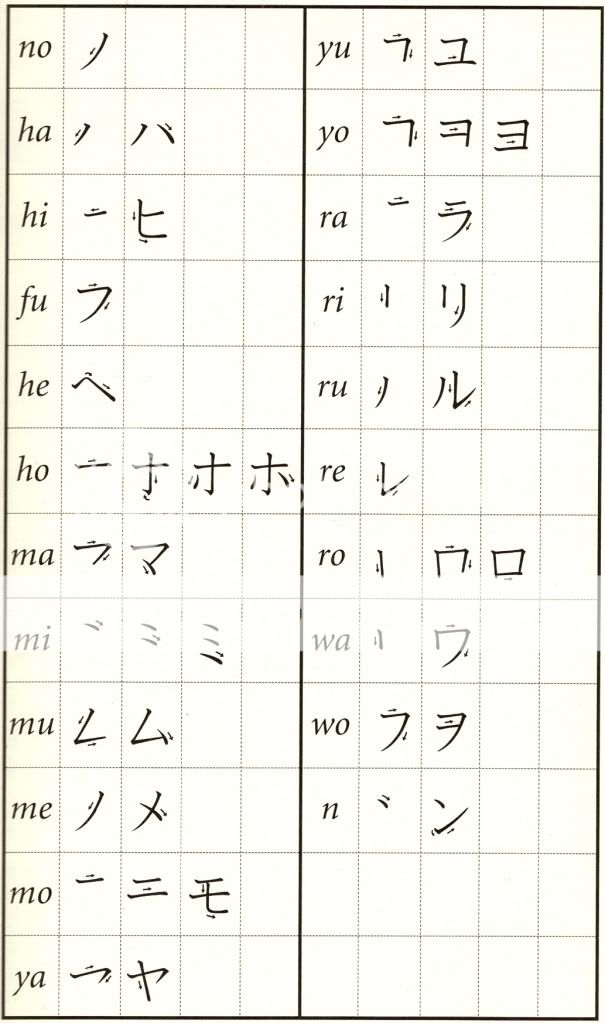
Post #5: ExamplesIn manga, onomatopoetic sounds which are not voices or screams are almost always written in katakana. For instance, blows, explosions, motor noises, etc... belong to this category.
This is rather similar to the 1960s Batman series with Adam West (who now does the voice of Adam West on the Family Guy). If you aren't familiar with this show, here is a little clip for you.
1960s Batman Fight SceneExample 1: Onomatopoeia: Explosion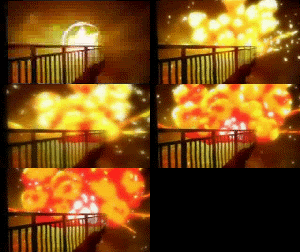 ドカン
ドカンdokan
(Onomatopoeia for an explosion.)
Here, were we would say "boom," the Japanese say
ドカン dokan.
Example 2: Blow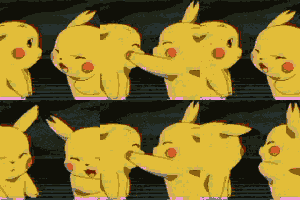 ズガ
ズガzuga
(Onomatopoeia for a blow or punch.)
And here, were we would say "smack" (or the Batman's "kapow"), the Japanese would say
ズガ zuga.
Example 3: Book Titles and Names of MagazinesBelow are three manga and magazine covers where katakana is used. Using English words in titles are not uncommon, especially those aimed at young readers. In Japan, English is used as an attention getter and is considered modern and "cool."
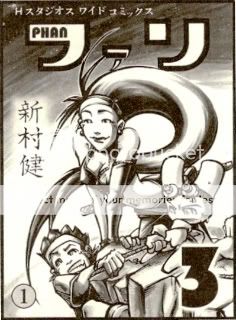 ファン
ファンfan
Phan
Phan is a non-Japanese proper name, and is there for written in katakana.
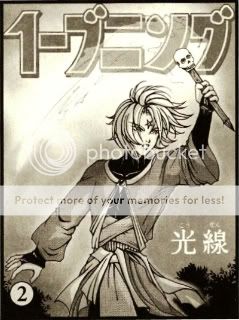 イーブニング
iibuningu
Evening
In this example, and the one below, we have words taken directly from the English language.
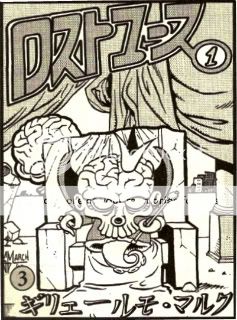 ロストユース
rosuto yūso
Lost Youth
As you can see, the English words tend to get twisted when they are being transcribed into katakana, so much so it may be rather difficult to recognize them. So, don't worry if you have a hard time figuring out the original English word when you read a katakana transcription. With time, you will get used to the "katakanization" and eventually you be able to recognize the foreign words transcribed into katakana, and you'll be able to transcribe foreign words into katakana as well.



 Reply
Reply