|
|
|
|
|
|
|
|
|
 Posted: Tue Jun 16, 2009 12:26 pm Posted: Tue Jun 16, 2009 12:26 pm
Learn More About Microraptors here.
|
 |
|
|
|
|
|
|
|
|
|
|
|
|
|
Posted: Tue Jun 16, 2009 12:33 pm
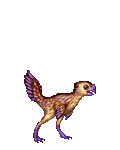
Overview:With adult specimens ranging 42–83 centimeters (1.4–2.7 ft) long, and with a weight estimated at up to 1 kilogram, Microraptor was among the smallest known dinosaurs. Aside from its extremely small size, Microraptor was among the first non-avian dinosaurs discovered with the impressions of feathers and wings. Unusual even among early birds and feathered dinosaurs, Microraptor is one of the few known bird precursors to sport long flight feathers on its feet as well as its forearms and hands. Their bodies had a thick covering of feathers, with a diamond-shaped fan on the end of the tail (possibly for added stability during flight). Bands of dark and light present on some specimens may indicate color patterns present in life. Several anatomical features found in Microraptor, such as a combination of unserrated and partially serrated teeth with constricted 'waists', and unusually long upper arm bones, are shared with both primitive avians and primitive troodontids.Information from Wikipedia.
|
|
|
|
|
|
|
|
|
|
|
|
|
|
|
|
|
|
Posted: Tue Jun 16, 2009 12:37 pm
Behavior:
Microraptors tend to gravitate towards being in flocks rather than being by themselves. Doing this ensures food and less of a chance of being killed. They communicate with various squawks, clicks, growls and other noises. One will know when a flock of Microraptors are in the area since they can be quite loud and are considered pests. Due to their loud vocals, they are usually the target prey for some other species but with their gliding abilities they can usually escape unscathed.
As a result of their abilities, they can be found up in the trees and brush where ever their roosting area is. They can become quite territorial if another species comes to try and take the area and will resort to using their small talons and beak like mouths as weapons.
Their diet consists of nuts, berries, insects and other greens they can find around. They are picky eaters and their food desires change like the direction of the wind. Some can be carnivorous.
|
|
|
|
|
|
|
|
|
|
|
|
|
|
|
Posted: Tue Jun 16, 2009 12:40 pm
Mating:
Microraptor lay about two to three eggs per breeding. If the female is malnourished, she will only lay one, which only occurs during the winter months. They can breed any time of the year but it is most common during the spring and summer months.
Attracting a mate can be a rather difficult task. The males usually make nests, collecting various materials, trying to make the perfect one to woo the female of their choice. Females will inspect the nests and if it is to their liking they will then turn and look to their potential mate.
Looks are very important to Microraptors as well as skills (nest building, potential parenting skills, etc). If the male looks ill or malnourished, despite what the nest looks like, most of the time the female will simply wander away from the male in search of another.
As a result, few Microraptors go through a couple breedings in hope to past down their genes but most will find a mate and stick with them for life.
Females are protective of their eggs and will not leave the nest once they're hatched. Males do not take care of the eggs and are often rather clumsy and might accidentally crush one or two. All the male does after the eggs are laid, is provide food for the female. When the eggs hatch they both take turns feeding their young and teaching them about life.
|
|
|
|
|
|
|
|
|
|
|
|
|
|
|
|
|
|
Posted: Tue Jun 16, 2009 1:05 pm
Frequently Asked Questions:
|
|
|
|
|
|
|
|
|
|
|
|
|
|
|
|
|
|


 Reply
Reply