

Are you ever asked to help identify a plant and the only information you are given is that it is ‘leafy’? Responding with something like “yes, they tend to be” is not really a solution to the problem. Not to be mean to those who do describe plants in such a manner but there are some words and terms that make it easier for others to figure things out. And it will then be far easier for us to tell you what your beloved mystery plant is.
Taxonomy is the practice and science of classification. Of all sorts of things, living or not. This is a fancy way of saying that things are put into groups and the group is given a name. Plants normally go like this (and I hope you remember it from science class):
Kingdom, Phylum/Division, Class, Order, Family, Genus, Species. Sometimes plants can go past the species level and be described as cultivars as well.
For example: the Peace Lily
Kingdom: Plantae (plants)
Division: Magnoliophyta
Class: Lilopsida
Order: Alismatales
Family: Aracaeae
Genus: Spathiphyllum
Species: Spathiphyllum montanum
Notice that the species name has two parts, the first of which is the genus.
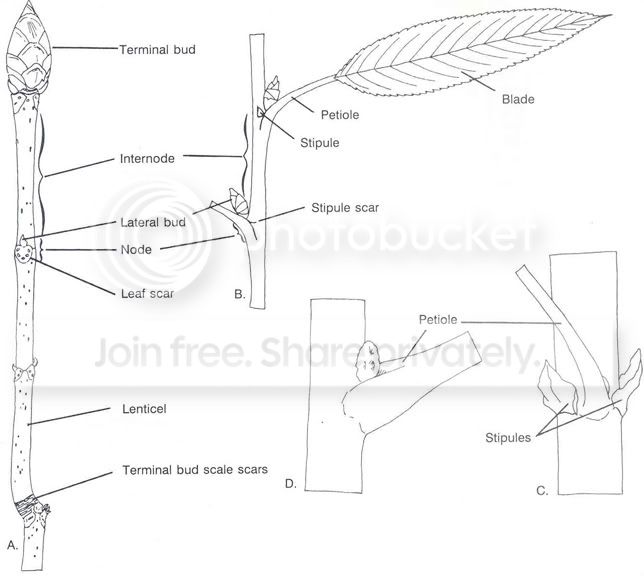
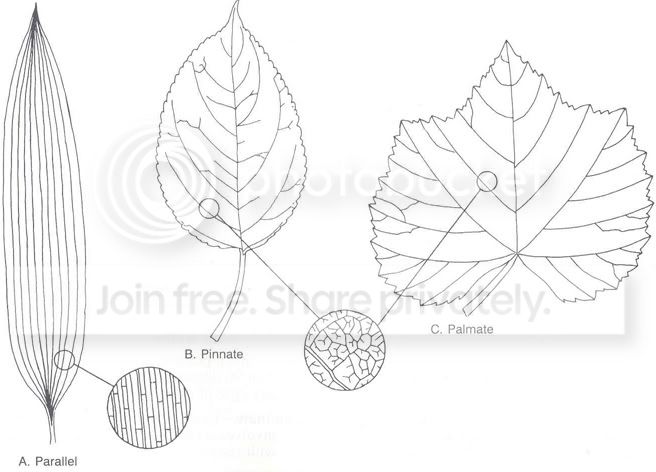
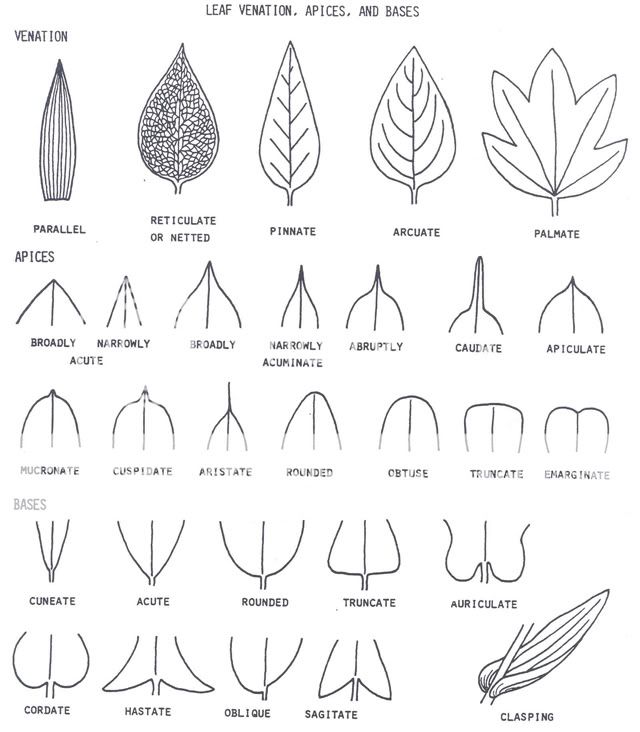
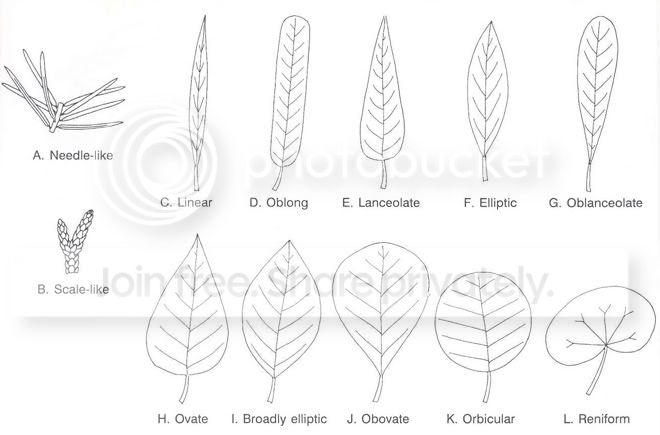
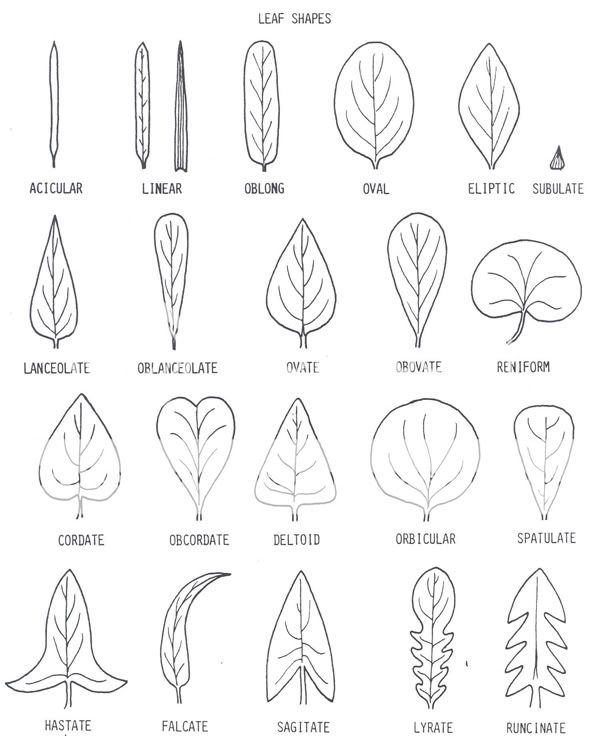
Alright, enough of that babble. Here’s the gist: the leaf of a plant is not always round. Or oval. But what other shapes are there?
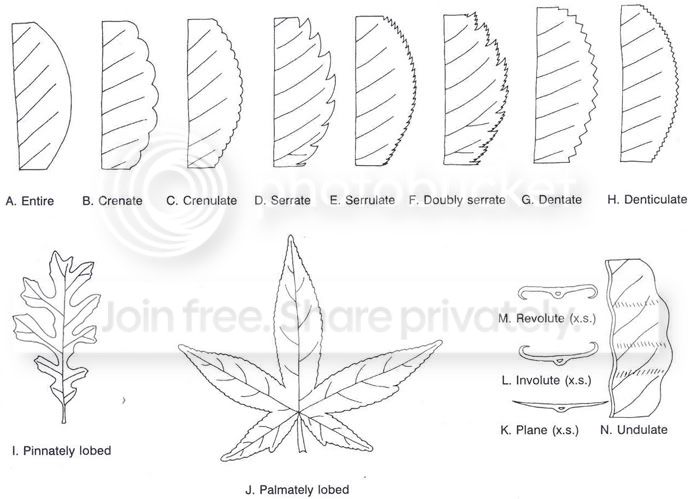
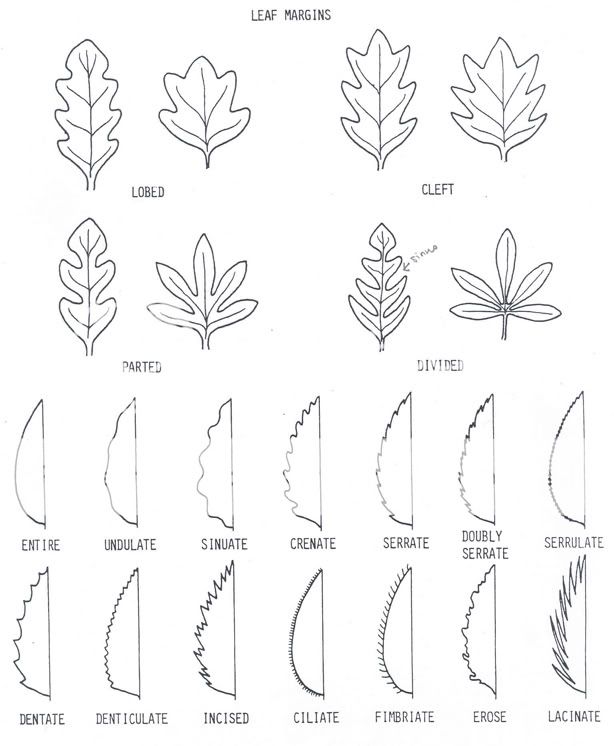
Sometimes the edges of leaves aren’t smooth. But what other kinds of edges are there?
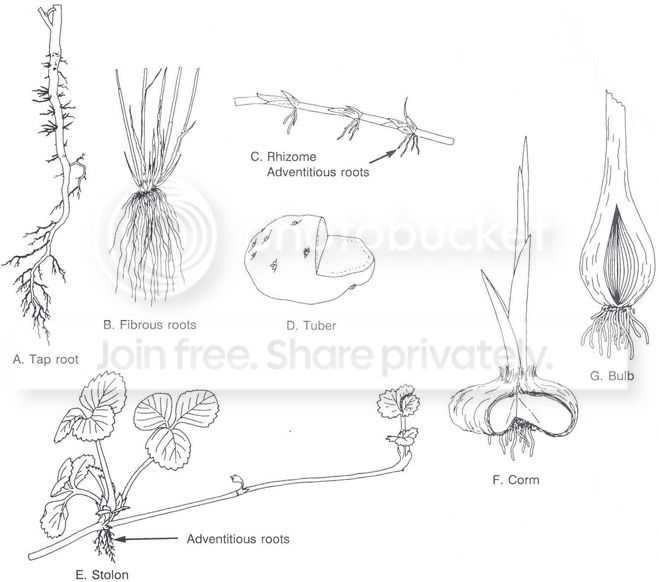
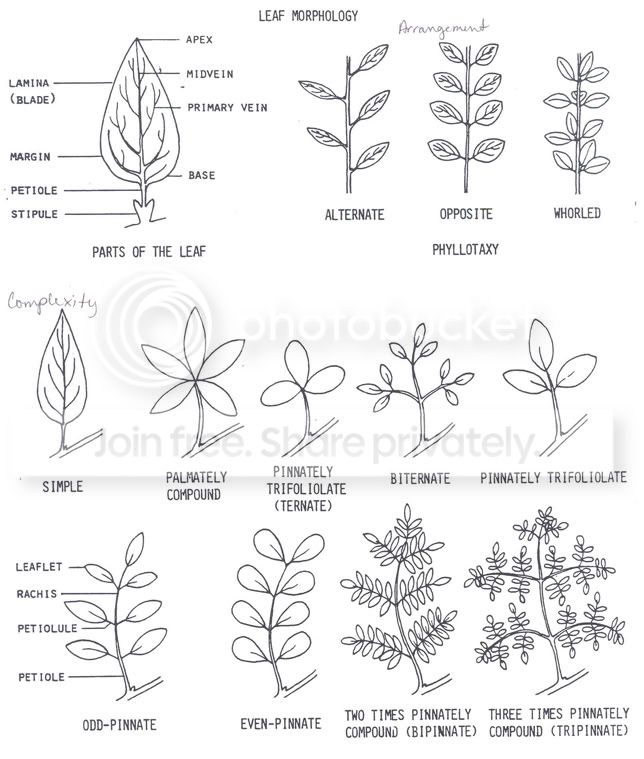
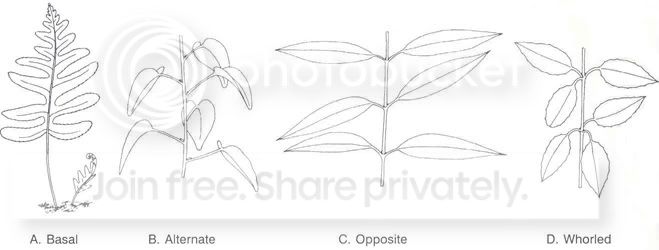
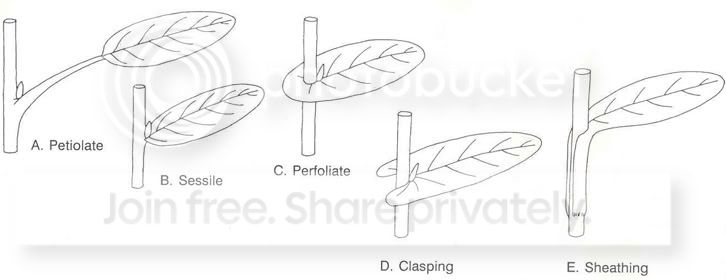
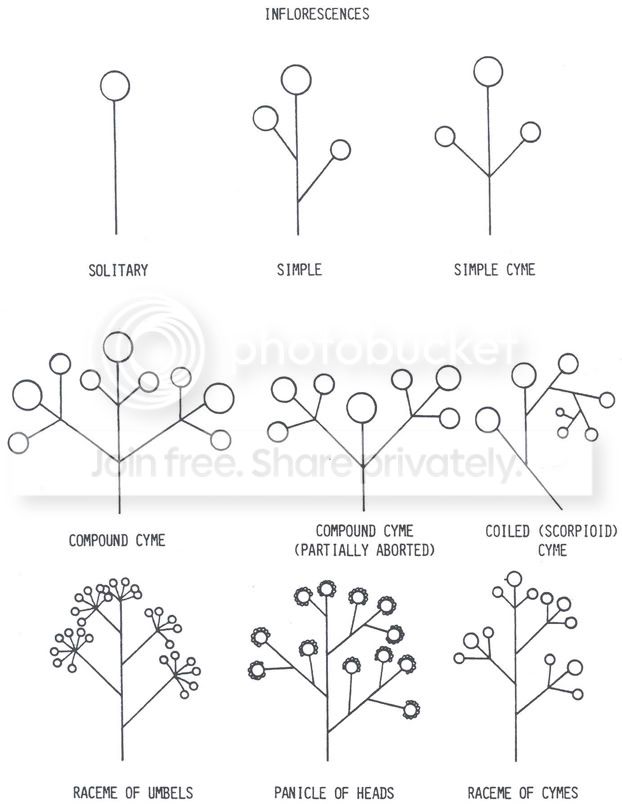
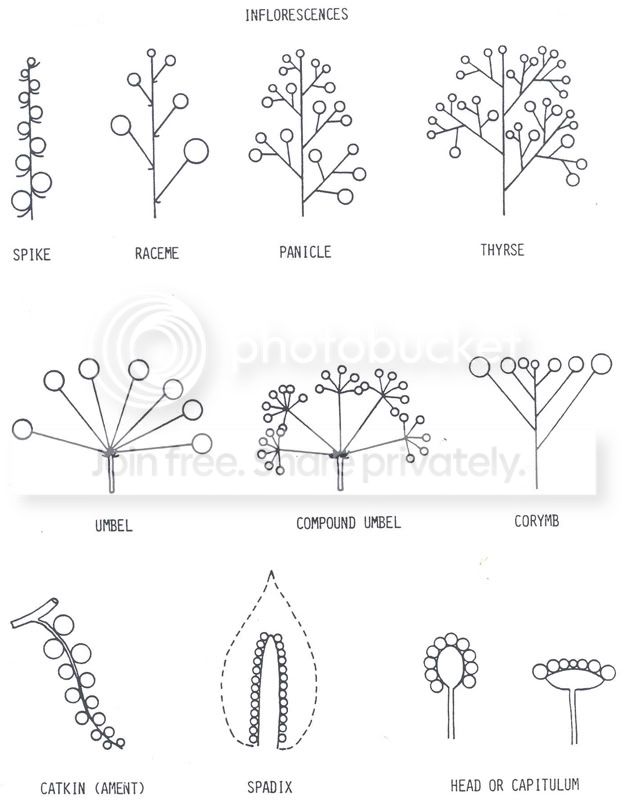
Aren’t you glad that we have posted a bunch of helpful illustrations that may help you determine what the real shape of your leaf is? Or the strange name that the leaf margin(edge) is really called?
So here they are! And don’t stress out. We don’t expect you to remember them all by heart. We just hope you will use them if ever you need to describe some mystery plant.
Taxonomy is the practice and science of classification. Of all sorts of things, living or not. This is a fancy way of saying that things are put into groups and the group is given a name. Plants normally go like this (and I hope you remember it from science class):
Kingdom, Phylum/Division, Class, Order, Family, Genus, Species. Sometimes plants can go past the species level and be described as cultivars as well.
For example: the Peace Lily
Kingdom: Plantae (plants)
Division: Magnoliophyta
Class: Lilopsida
Order: Alismatales
Family: Aracaeae
Genus: Spathiphyllum
Species: Spathiphyllum montanum
Notice that the species name has two parts, the first of which is the genus.
Alright, enough of that babble. Here’s the gist: the leaf of a plant is not always round. Or oval. But what other shapes are there?
Sometimes the edges of leaves aren’t smooth. But what other kinds of edges are there?
Aren’t you glad that we have posted a bunch of helpful illustrations that may help you determine what the real shape of your leaf is? Or the strange name that the leaf margin(edge) is really called?
So here they are! And don’t stress out. We don’t expect you to remember them all by heart. We just hope you will use them if ever you need to describe some mystery plant.
Contents:
.Introduction.
.Structures.
.Roots.
.Leaf Shape and Venation.
.Leaf Margins and Attachment.
.Inflorescence.
.That's NOT a Plant!.
.Introduction.
.Structures.
.Roots.
.Leaf Shape and Venation.
.Leaf Margins and Attachment.
.Inflorescence.
.That's NOT a Plant!.