|
|
|
|
|
|
|
|
|
 Posted: Tue Sep 06, 2005 10:52 am Posted: Tue Sep 06, 2005 10:52 am
If you'd like you could post the herb of the week next week. I'm very bad about getting it done. sweatdrop
|
 |
|
|
|
|
|
|
|
|
|
|
|
|
|
Posted: Tue Sep 06, 2005 10:20 pm
Stevia I found did not sweeten things immediately, and then the after taste was super sweet! I don't like that. Plus in baking it totally sucks because you have to completely rearrange the recipe to get it to work. Same for artificial sweeteners. Not to mention the weird sweetness.
I like to use xylitol, which is a sugar alcohol made from wood and corn stalks. It is almost substitutable for sugar in baking - it's a little less sweet, and it won't make the food brown, and I wouldn't make candy out of it, but you don't have to change the recipe all around and it doesn't have any weird aftertaste like stevia or artificial sweeteners.
|
|
|
|
|
|
|
|
|
|
|
|
|
|
|
|
|
|
Posted: Sun Sep 18, 2005 11:02 pm
Sunstar333 I think I might have found a form of releif for my Grandma's authritis in my Dictionary of Morden Herbalism. I think it's supposed to be Ginseng,Asiatic. It's supposed to stimulate the ciculatory system to increase motabolism,and it's supposed to help authritis, so I'll give it a try next time I see her, seeing that she refuses to take authritis medication, maybe she'll do the ginseng. That would be a wonderful thing to be as herb of the week ( I think... )I think there is also Ginseng,Siberian, and Ginseng,American. You can also look into compresses that are excellent for arthritis. It's worth making a thread about it to see what people have heard. ^^
|
|
|
|
|
|
|
|
|
|
|
|
|
|
|
Posted: Mon Sep 19, 2005 5:47 pm
Ginseng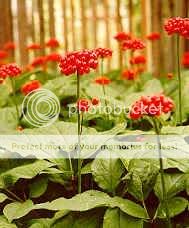 Genus and species - Panax ginseng (Asian), Panax Quinquefolium (American), Eleutherococcus senticosus (Siberian) There are three types of ginseng. The American and Asian are most similar. The Siberian ginseng, while not really the same thing, is grouped with the other two because it has very similar effects. The part of ginseng used is it's root, which sometimes resembles a man, hence the Chinese name jen shen - "man root." Ginseng could once be found in the wild in America but due to overcollection it is no longer plentiful. Ginseng combats fatigue, improves physical stamina by allowing the heart and lungs to work more efficiently, counteracts damage caused by physical and emotional stress, prevents the depletion of stress-fighting adrenal hormones, and enhances memory and immunity. Ginseng has been shown in studies to be useful in the treatment of high blood pressure, diabetes, cancer, emphysema, impotence and low sexual desire, male infertility, liver damage, and appetite loss. It may also help minimize the damage to cells that is caused during radiation therapy. Studies have shown that high doses of ginseng may also help with inflammatory diseases (such as rheumatoid arthritis.) Some studies of ginseng have shown no benefits at all. This is likely due to adulteration. Because the herb is rare this happens often. A study in the 1980's of 54 ginseng products discovered that 60% were worthless because they contained too little of the herb while 25% contained NO ginseng at all. Ginseng products may also not be beneficial unless they are made from mature roots, which for ginseng plants is after at least 6 years of growth. Sometimes older roots are adulterated with younger, which also reduces the herbs effectiveness. Processing can also reduce the quality and effectiveness of ginseng. Ginseng should not be taken by people with asthma, cardiac arrhythmia, or fever. People with high blood pressure should be cautious when using ginseng and only take it with doctor consultation. It seems from studies that small amounts of ginseng raise blood pressure while large amounts cause a reduction of blood pressure. Because it has blood thinning properties ginseng also shouldn't be taken by people with clotting problems or on anticoagulants. It should be used cautiously by those with insomnia, fibrocystic breasts, or hay fever. As it's considered an herb for the elderly, it's best that it not be given to children. In Chinese animal studies ginseng has not been shown to cause birth defects when taken by pregnant animals, but pregnant and nursing women should still be wary. It is also suggested that when using high doses of ginseng, a person only take it for 15-20 days and then rest for 2 weeks and that long-term usage be avoided.
|
|
|
|
|
|
|
|
|
|
|
|
|
|
|
|
|
|
Posted: Wed Sep 28, 2005 10:35 am
Ginseng has an adaptogenic effect, meaning that when you're going too fast, it calms you down, and when you're going to slow, it speeds you up. ^_^ Nice.
|
|
|
|
|
|
|
|
|
|
|
|
|
|
|
Posted: Sat Oct 01, 2005 1:35 pm
That's pretty cool. I didn't know that.
|
|
|
|
|
|
|
|
|
|
|
|
|
|
|
|
|
|
Posted: Fri Oct 07, 2005 5:21 pm
Wow. I had alot of influence. I just looked at my modern herbalism dictionary book. Wow.
|
|
|
|
|
|
|
|
|
|
|
|
|
|
|
Posted: Fri Oct 07, 2005 10:53 pm
Echinacea pronounced [Eek uh knee sh uh] Uses: ~Colds, coughs and flu and other upper respiratory conditions ~Enlarged lymph glands, sore throat ~Urinary tract infections ~Other minor infections ~May help combat herpes and candida ~Wounds, skin regeneration and skin infections (external use) ~Psoriasis, eczema and inflammatory skin conditions (external use) History: Echinacea has a rich tradition of use by North American Plains Indians who used it medicinally more than any other plant. It was prominent in modern American medicine in the early 20th Century, and was discovered by Europeans, who have used it extensively since the 1930s. Today millions of Europeans use echinacea as their primary therapy for colds, flus, infections, and for general immune-boosting effects. Reccomended methods: Echinacea root is the part which has been used historically in European and American herbalism. Today nearly all parts of the plant are used, including the root, leaves, flowers, and seeds. Echinacea is available commercially in a number of forms - dried root or herb, liquid extract, powder, capsules and tablets, and creams and gels. Echinacea preparations are approved drugs in European countries. The officially recommended usage levels, and those used in research studies are: * Liquid extracts (or tinctures): very popular forms for ease of use. May be alcohol- or glycerine-based. Extract strength varies, so following manufacturers' directions is important. Recommended amounts range from one to five droppersful per use (0.5-5 ml.) three times per day. * Capsules or tablets: may contain root powder or herb. Recommended usage level: 1/2 - 2 g per use three times a day. * Echinacea tea:. The usage level for root and/or herb brewed as a tea: 1/2 - 2 g per use three times a day. This information gathered at http://www.herbs.org/greenpapers/echinacea.html
|
|
|
|
|
|
|
|
|
|
|
|
|
|
|
|
|
|
Posted: Fri Oct 07, 2005 10:55 pm
This stuff (points above) kicks ARSE! I have some root extract that my dad got while dating a lady who worked at GNC. The stuff tastes HORRIBLE, but when I'm feeling really nasty I take it, because I know I'll feel better in an hour or two.
|
|
|
|
|
|
|
|
|
|
|
|
|
|
|
Posted: Wed Oct 12, 2005 1:42 pm
I got bored. XDOctober 12, 2005 Garlic
Allium Sativum. L.
1 Description: Garlic is an onion like aromatic plant with hollow, round leaves and umbrella shaped, flowering parts with starry purple flowers. The bulbs are harvested in the summer and stored for use in cooking and to make medicinal products. You can buy garlic bulbs from your local grocery store or natural food store. Garlic is also available as a power or granules, in bulk and in many commercial odor-controlled capsules, either as oil or powder. Parts Used: Cloves
Uses: Garlic is warming to your digestion and respiratory tract, and is an important antibiotic and anti-viral remedy for colds, flu, bronchitis, pneumonia, and other infections. Consider garlic preparations for protecting the blood and cardiovascular system [against vampires? XD ?Kii] With regular use, the herb can help to slightly lower your high blood pressure, reduce high cholesterol, and help prevent atherosclerosis. Garlic is famous for killing and clearing intestinal parasites.
Caution: Avoid the use of garlic if you?re nursing. Raw carlic can sometimes irritate your stomach if you eat too much.2Varieties of Garlic Culinary: Used widely, especially in Mediterranean and eastern cuisines, in butters, vinegars, and garlic salt.
Medical: Colds, coughs, to aid digestion, for high blood pressure, arteriosclerosis.
Garlic has been used as a food and medicine since at least the time of the ancient Egyptians. The Greek historian Herodotus tells us that the slaves who built the Great Pyramid ate great quantities of it. Modern science has confirmed many of garlic?s reputed healing properties. Experiments conducted in India show that eating garlic can significantly lower blood cholesterol and other fats. Research at George Washington Unuversity (USA) shows that garlic can also reduce blood clotting, so making it usedful in cardiovascular disease. Since garlic has also been shown to reduce blood pressure in both animals and humans, it is evidently useful in guarding against strokes, which can occur when pressure is raised or the blood clots in the cerebral arteries.
In both World Wars, garlic was applied to wounds to prevent septic poisoning and grangrene. Garlic has also been used successfully to control diarrhea, dysentery, pulmonary TB, diphtheria, whooping cough, typhoid and hepatitis. It is effective against many fungal infections and trichomonas. It can be used to expel worms. Garlic has been shown to lower blood sugar levels, indicating its use in controlling mild diabetes.
Herbalist consider garlic to be a first-rate digestive tonic, and also use it to treat toothache, earache, coughs, and colds(regular intake can prevent colds and reduce excess phlegm.) Garlic?s folk reputation for treating cancer has received scientific support from two Japanese researchers who showed in 1963 that injections of garlic extract killed tumor cells in rats.3Cultivated Garlic growing in a garden Information in dark green taken from Herbal Remedies for Dummies, Christopher Hobbs L.Ac.
Information in dark red taken from The New Age Herbalist, Mabey, McIntyre, Michael, Duff, and Stevens.
1. Image taken from www.foodsubs.com
2. Image taken from www.chartingnature.com
3. Image taken from www.uni-graz.at
|
|
|
|
|
|
|
|
|
|
|
|
|
|
|
|
|
|
Posted: Fri Dec 02, 2005 4:07 pm
|
|
|
|
|
|
|
|
|
|
Posted: Sun Jan 22, 2006 4:32 pm
"---Parts Used---The roots and leaves for medicinal purposes, also the seeds" Also know as dom quai "The dried root, as it appears in commerce, is greyish brown and much wrinkled externally, whitish and spongy within and breaks with a starchy fracture, exhibiting shining, resinous spots. The odour is strong and fragrant, and the taste at first sweetish, afterwards warm, aromatic, bitterish and somewhat musky. These properties are extracted by alcohol and less perfectly by water." quotes botanical herbsONLY USE DRIED ROOTS!!! Fresh angelica roots are poisonous. Drying eliminates are all danger. Also do not use withe hypertention, heart disease. Pregnant women should avoid angelica because of its history as an abortifacient. How to use it. You can make a infusion. Use one teaspoon of the powdered leaves or seeds in a cup or tea pot. boil a cup of water. Let it steep for 10-15 minutes. You could also do a infusion with other herbs for painful cramps. Rose, St. John's Wort, Yarrow, vetiver, fennel, cumin, chamomile Angelica leafs used to be used in a necklace to as a protection against spells and witch craft. Always do research on herbs before using them!
|
|
|
|
|
|
|
|
|
|
|
|
|
|
|
|
|
|
Posted: Mon Jan 30, 2006 2:35 am
Arnica "---Synonyms---Mountain Tobacco. Leopard's Bane. ---Parts Used---Root, flowers. ---Habitat---Arnica montana or Leopard's Bane is a perennial herb, indigenous to Central Europe, in woods and mountain pastures. It has been found in England and Southern Scotland. but is probably an escape." ---Medicinal Action and Uses---In countries where Arnica is indigenous, it has long been a popular remedy. In the North American colonies the flowers are used in preference to the rhizome. They have a discutient property. The tincture is used for external application to sprains, bruises, and wounds, and as a paint for chilblains when the skin is unbroken. Repeated applications may produce severe inflammation. It is seldom used internally, because of its irritant effect on the stomach. Its action is stimulant and diuretic, and it is chiefly used in low fevers and paralytie affections. Caution: some people are sensitive to the plant. It can be poiseness to some people! especially if taken internally. "Growing the plant: The arnica plant has a bright yellow, daisy-like flower that blooms around July. The horizontal, dark brown, branched rootstock sends up a slightly hairy, simple or lightly branched stem that reaches a height of 1 to 2 feet. The basal leaves are oblong-ovate and short-petaled the upper leaves are smaller and sessile. Each plant has one to nine large, yellow, daisy-like flowerheads whose rays are notched on the outer tips. The flowers appear from June to August.. Arnica is a perennial that is protected in parts of Europe." quote from Arnica is a perennial that grows to a height of 1 to 2 feet with yellow-orange flowers similar to daisies. Stems are round and hairy, ending in one to three flower stalks, with flowers 2 to 3 inches across. Leaves are bright green; the upper surfaces are toothed and slightly hairy while lower leaves have rounded tips. It is native to the mountains of Europe and Siberia, and cultivated in North America. If you take the flower and put it into a carrier oil it can help with sore legs, bruising... it suggests using fresh flowers. there are a couple of ways of extracting the oils from the plant. tips: buy some idione and boil eveything that you are going to use for the tinture/oil/compress. It is especially good to sterialize your items if your going to be making oil. for a oil, add 1cup fresh flowers into a blender, use a 1 1/2 cups of oil. turn on blender if you are going to be storing the plant/oil mixture in a mason jar or any jar with a metal top make sure you place wax paper on top so the metal doesn't change the alkolids of the oil. (its good to do when making any tinture) shake once a day, for 1 week. strain the flowers with a cheese cloth. squeeze excess oil. place oil into a dark jar. you can add the oil to others or what have you. please add if you have more information!!
|
|
|
|
|
|
|
|
|
|
|
|
|
|
|
Posted: Mon Jan 30, 2006 7:01 pm
Stinging Nettle
Urtica dioica
(and the small nettle Urtica urens)Parts Used: Aerial parts of young plants
Main Uses:General In hair shampoos
Culinary As a vergetable or soup
Medical For arthritis, eczema, and anaemia Nettles grow wherever land is disturbed by human beings. Although we may curse the nettle for its sting, it is invaluble as a food, rich in vitamins and minerals, and as a medicine. In spring, the fresh green leaves may be cooked and eaten like spinach, made into a delicious soup, or drunk as a tea.
Nettles make a valuble tonic after the long winter months for they provide one of the best sources of minerals. They are an excellent remedy for anaemia- their vitamin C content ensures that the iron they contain is properly absorbed.
Nettle tea increases the excretion of uric acid which may explain why nettles are a remedy for arthritis and gout. Nettles have been applied directly to painful arthritis joints used as a counter-irritant. This fairly heroic treatment is often effective.
Nettles encourage the flor of breast milk and lower blood-sugar levels. They are also a good astringent, effective in stopping bleeding.
Internally they are used for profuse menstruation and externally the powdered leaves used as a snuff will stop minor nosebleeds. A wash is employed for hemmorrhoids. The blood-invigorating properties of stinging nettles make them appropriate for girls at puberty and women at menopause.
Nettles are useful in treating eczema, too. A nettle rinse can eliminate dandruff.
|
|
|
|
|
|
|
|
|
|
|
|
|
|
|
|
|
|
Posted: Mon Jan 30, 2006 7:05 pm
not trying to sound pesimistic or anything but is the reason that garlic is an herb is that we are trying to get rid of the cool vampires? confused confused
|
|
|
|
|
|
|
|
|
|
|
|
|
|
|
|
|
|


 Reply
Reply